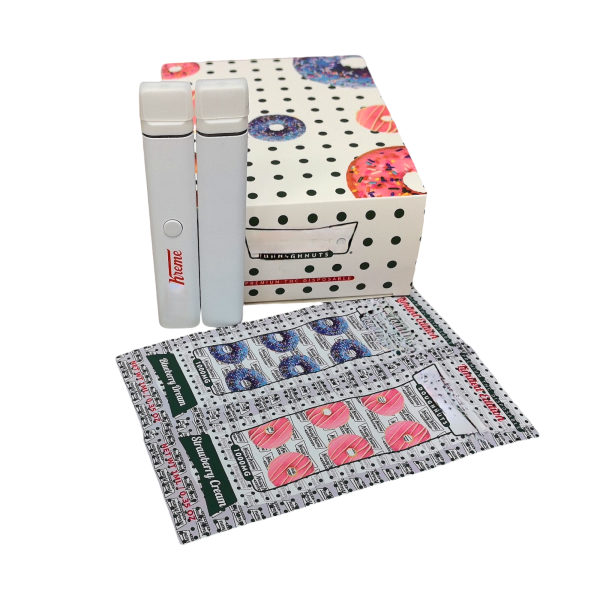

THC Oil: A Technical Guide to Effects, Safety, and the 2026 UK Market

The “Bottom Line Up Front” (BLUF)
In 2026, THC oil in the UK is strictly regulated under the 2026 Vaping Products Duty (VPD), requiring all legal oils to carry a digital “Duty Stamp” to ensure purity and tax compliance. While the effects of thc vapes oil offers significant therapeutic potential for chronic pain and insomnia, purchasing unverified products on the “grey market” carries a high risk of synthetic “spice” contamination.
Navigating the High-Potency Landscape of 2026
As we progress through 2026, the conversation around cannabis extracts has shifted from simple “CBD vs THC” to a deep focus on molecular purity and legal traceability. For UK users, the landscape has changed significantly with the implementation of the Vaping Products Duty in October 2026, which added a £2.20 excise tax per 10ml of liquid.
Whether you are looking to purchase thc oil for medical reasons or researching the long-term effects of thc oil on the endocannabinoid system, understanding the technical specifications of your extract is now more important than its brand name. This guide breaks down the science of 2026 extraction, the specific safety markers to look for, and how to navigate the UK’s tightening regulatory environment
visit our main guide on this topic : The Ultimate Guide to the Best THC Vape Pens UK: The 2026 Authority Manual
The "What & Why": Foundations of Modern THC Oil
THC oil is a concentrated liquid extract containing delta-9-tetrahydrocannabinol, the primary psychoactive compound in cannabis. Unlike raw flower, oil allows for “metabolic precision”—the ability to dose specific milligrams for consistent results.
Why Oil is Dominating the 2026 Market
Bioavailability: Sublingual (under the tongue) administration bypassing the digestive tract for faster onset.
Traceability: In 2026, legal oils are batch-tested for 200+ different pesticides and heavy metals, a standard far higher than “street” flower.
The Entourage Effect: High-quality thc oil is no longer just “pure THC.” It now includes preserved terpenes and minor cannabinoids like CBN and CBG to modulate the experience.
Technical Deep-Dive: Extraction and the 2026 Tax Impact
Not all oils are created equal. The method of extraction determines the final chemical profile and, consequently, the price you pay.
Supercritical CO2 Extraction: The “clean” gold standard. Uses pressurized carbon dioxide to pull cannabinoids without leaving solvent residues.
Ethanol Extraction: Best for “Full Spectrum” oils. It captures the widest range of cannabinoids but requires secondary “winterization” to remove plant waxes.
Hydrocarbon (BHO/PHO): Used primarily for ultra-potent distillates, though increasingly rare in the UK medical market due to residual solvent concerns.
Comparison Table: 2026 UK THC Oil Categories
| Feature | Medical-Grade THC Oil | Grey Market / “Street” Oil |
| Lab Testing | Mandatory (COA required) | None or Falsified |
| UK Duty Stamp | Required (Post-Oct 2026) | Absent |
| Carrier Oil | Organic MCT or Hemp Seed | Often VG/PG or Unknown |
| Potency | Guaranteed (e.g., 20mg/ml) | Highly Inconsistent |
| Cost (per 10ml) | £60 – £120 (approx.) | £30 – £50 (high risk) |
The "How-To" Framework: Steps to Safely Purchase and Use
If you intend to purchase thc oil in 2026, you must navigate a specific framework to ensure both legal and physical safety.
Consultation: In the UK, the only legal route is through a CQC-regulated clinic.
Verify the Stamp: Check the 2026 digital Duty Stamp on the packaging. This confirms the liquid has been registered with HMRC and tested for safety.
Carrier Identification: Ensure your oil uses MCT (Medium-Chain Triglycerides) if using sublingually. Oils intended for a Best thc vape pens Uk often contain different thinning agents that should not be swallowed.
Titration (The “Low and Slow” Rule): Start with 0.1ml (approx. 2.5mg of THC) and wait at least 90 minutes before increasing the dose.
Storage: THC is sensitive to UV light. Store in amber glass in a cool, dark place to prevent the THC from degrading into CBN (which causes extreme sleepiness).
Expert Insights: 3 Unique Data Points for 2026
1. The “Spice” Signal (Information Gain)
In 2026, the most dangerous “grey market” trend is the use of synthetic cannabinoids (Spice) sold as “pure THC oil.” A unique technical indicator: True thc oil is naturally viscous and should have a slight herbal or “earthy” scent. If your oil is water-thin, neon-colored, or smells like candy/perfume without a terpene profile, it is likely synthetic.
2. The 1mg Threshold Law
Under the current UK interpretation of the Misuse of Drugs Regulations, any product sold over-the-counter (OTC) must contain less than 1mg of THC per container, not per dose. This is why you cannot legally purchase thc oil in high concentrations from standard health shops; those products are almost exclusively CBD with trace THC.
3. Terpene Synergistic Data
2026 clinical data shows that the effects of thc oil are 30% more effective for pain management when the oil contains at least 2% Beta-Caryophyllene. This terpene acts as a “bridge” between the THC and your CB2 receptors, reducing the “head high” while increasing physical relief.
Field Note: > Over my 30 years in the industry, I have seen thousands of “clogged” bottles. If your oil dropper becomes stuck or the oil “crystallizes” at the bottom, do not boil the bottle. This destroys the delicate terpenes. Instead, place the sealed bottle in a bowl of warm (not hot) water for 5 minutes. This restores the viscosity without nuking the molecular structure.
Common Myths & 2026 Industry Trends
Myth: “THC oil is addictive like opioids.” Reality: While psychological dependence can occur, 2026 medical reviews show THC has a significantly lower physical addiction profile than traditional painkillers, with no risk of fatal respiratory depression.
Trend: Water-Soluble THC. We are seeing a rise in “nano-emulsified” oils. These mix into drinks and have an onset time of 10-15 minutes, compared to the 60-90 minutes of traditional oil.
FAQ: People Also Ask
1. What are the immediate effects of thc oil?
Common effects include muscle relaxation, euphoria, and increased appetite. However, in 2026, many users report “dry mouth” and “short-term memory lag” as the most frequent side effects if the dose is too high.
2. How do I know if the THC oil I bought is legal?
Check for a pharmacy dispensing label with your name on it and the new 2026 HMRC Vaping/Liquid Duty Stamp. If you bought it from a social media site or a non-medical website, it is illegal in the UK.
3. Will THC oil show up on a roadside drug test?
Yes. UK police use “DrugWipe” kits that detect THC in saliva. Even with a medical prescription, you must not drive if your “ability to drive is impaired” by the medication.
4. How long does a 10ml bottle of THC oil last?
For a standard medical dose (0.25ml twice daily), a 10ml bottle will last exactly 20 days. The 2026 tax adds roughly £2.64 (including VAT) to the base price of every 10ml bottle.
5. Can I put THC oil in my vape pen?
Only if it is specifically labeled as “Vape Oil” or “Distillate.” Sublingual tinctures made with MCT oil or Olive Oil can cause Lipoid Pneumonia if inhaled. Always use a dedicated Best thc vape pens Ukfor inhalation-specific products.
While oral oils are excellent for long-term symptom management, many users find that the slow onset doesn’t help with “breakthrough” pain or sudden anxiety. In these cases, a faster-acting method is often required. To see how inhalation technology has evolved to handle high-viscosity oils, explore our ranking of the Best thc vape pens Uk for 2026.

King Mustapha
Cannabis Compliance Analyst
King is a UK-based researcher in cannabinoid safety and vaporization technology with over 40 years of scientific interest and 10+ years of technical analysis.